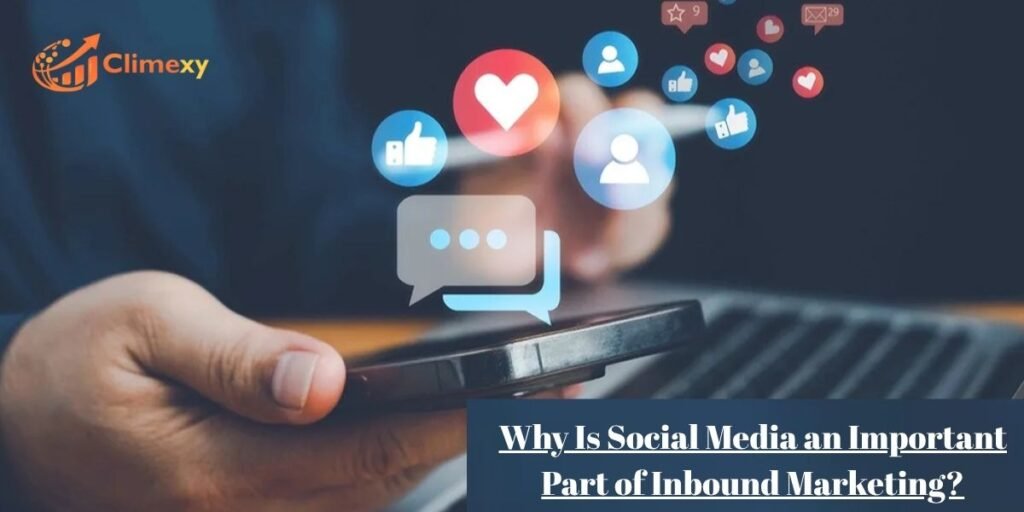
Social media is the vital engine of inbound marketing because it transforms static content into active conversations. It allows brands to earn attention organically by distributing valuable insights directly to targeted communities. Beyond simple visibility, it builds the trust and authority necessary to move prospects through the funnel from awareness to final purchase.
Inbound marketing is a strategic approach focused on being found by customers rather than fighting for their attention through interruptive advertising. In a digital ecosystem where consumers are increasingly blind to traditional banners and cold outreach, the ability to pull an audience toward your brand is a significant competitive advantage. Social media platforms serve as the primary stage where this attraction happens in real time.
If you view inbound marketing as the library of your brand’s knowledge, social media marketing acts as the librarian and the reading room combined. It ensures your assets reach the right eyes while providing a space for immediate engagement.
This guide explores the mechanical and psychological reasons why social media is foundational to modern inbound success.
The critical areas of digital strategy this guide will cover include:
- The core relationship between social distribution and inbound methodology.
- Specific ways social engagement amplifies content reach and SEO signals.
- The distinction between organic inbound tactics and paid outbound social efforts.
- Practical frameworks for aligning social activity with the buyer journey.
Understanding Inbound Marketing
Inbound marketing is a holistic system designed to align with the way modern buyers research and purchase products. It is built on the philosophy of providing value before asking for a sale. This system typically operates through a specific cycle of stages.
The Attract stage focuses on bringing the right people to your digital doorstep through high-quality content and search optimization. The Engage stage centers on building relationships by providing insights and solutions that address specific pain points. Finally, the Convert stage turns that built-up trust into a commercial transaction and long-term loyalty.
While many marketers associate inbound strictly with SEO and blogging, those assets are passive by nature. Inbound marketing requires active channels to fuel its momentum. Social media provides this by acting as a distribution network that rewards quality and relevance. It bridges the gap between creating a great piece of content and ensuring that the specific audience who needs it actually sees it.
Why Is Social Media an Important Part of Inbound Marketing?
Social media is not a standalone silo. It is an integrated component that makes the rest of your marketing work harder. Without a social presence, even the best content can remain undiscovered in the vast sea of search results.
1. It Amplifies Content Distribution
The primary challenge of content marketing is the distribution gap. You might spend days crafting an authoritative whitepaper or a technical guide, but if it only sits on your website, its reach is limited to those already looking for you.
Social media provides an immediate outlet for your content assets. By sharing blog posts, case studies, and lead magnets on social platforms, you create multiple entry points to your brand ecosystem. This amplification does not just drive traffic; it creates social signals and visibility that can lead to faster indexing by search engines.
A strategic post on LinkedIn or X (formerly Twitter) can spark a chain reaction of shares. This viral potential extends the lifespan of your content far beyond its initial publication date. In the inbound world, social media is the force multiplier for your intellectual property.
2. It Brings Targeted Traffic
Modern social media is defined by its ability to segment audiences with extreme granularity. Inbound marketing success depends on reaching qualified prospects, not just high volumes of random visitors.
Through social platforms, marketers can engage with niche communities and join specific industry hashtags where buyer intent is already present. For instance, a B2B software company can focus its efforts on professional groups in LinkedIn, while a consumer brand might leverage the visual storytelling of Instagram or Pinterest.
This precision ensures that the traffic flowing into your inbound funnel is already aligned with your buyer personas. When you provide a solution to a problem being discussed in a social thread, the traffic you generate is pre-qualified and more likely to convert.
3. It Builds Trust Faster Than Any Other Channel
The core currency of inbound marketing is trust. However, building trust through a screen is difficult. Social media accelerates this process by providing a transparent record of your brand’s expertise and behavior.
When an audience sees a brand consistently posting thoughtful insights, responding to technical questions, and engaging with peers, they develop a sense of familiarity and authority. Social proof, such as public comments and testimonials, acts as a third-party validation that a static website cannot replicate.
People are more likely to trust a brand that they have seen interacting “in the wild.” In this context, social media serves as a continuous trust-building engine that validates your E-E-A-T (Experience, Expertise, Authoritativeness, and Trustworthiness) in the eyes of both users and algorithms.
4. It Supports the Entire Buyer Journey
A common misconception is that social media only functions at the top of the funnel to generate initial awareness. In a sophisticated inbound strategy, social media is a multi-stage tool that nurtures prospects through every phase of their decision-making process.
In the Awareness Stage, you use short-form videos or educational infographics to introduce a problem your audience might not yet fully understand. As they move into the Consideration Stage, your social feed should provide deeper value through case study highlights and expert interviews that compare different solutions.
Finally, in the Decision Stage, social media facilitates the final push. This is achieved through user-generated content, live demonstrations, and direct responses to specific technical objections. By mapping content to these stages, you ensure that your social presence is moving the needle on revenue rather than just collecting likes.
Awareness Stage Content
- Quick industry tips and data-driven insights.
- Explainer reels addressing common pain points.
Consideration and Decision Content
- Client success stories and detailed testimonials.
- Direct links to product demos or deep-dive webinars.
5. It Enables Two-Way Communication
Traditional outbound marketing is a monologue where the brand speaks at the consumer. Inbound marketing, however, thrives on dialogue. Social media is the only channel that offers instantaneous, two-way communication at scale.
This direct line to the audience allows brands to act as consultants rather than vendors. When a user asks a question in the comments or sends a direct message, your response becomes a public demonstration of your customer-centric approach. This feedback loop is also a goldmine for market research.
By listening to the conversations happening on your profile, you can identify new customer pain points and refine your content strategy to address them. This ensures your inbound efforts remain relevant and grounded in the actual needs of your market.
6. It Strengthens SEO Indirectly
While social media shares are not a direct “ranking factor” in the same way backlinks are, they have a profound indirect impact on search engine optimization. A high-performing social post creates a surge of visibility that often leads to organic link-building.
When industry influencers or bloggers discover your content through their social feeds, they are more likely to reference and link to it in their own articles. Furthermore, a strong social presence increases branded searches. When more people search for your company name specifically on Google, it signals high brand authority, which is a major trust signal for search algorithms.
7. It Humanizes the Brand
In the B2B and B2C sectors alike, people prefer to buy from people, not faceless corporations. Social media allows you to strip away the corporate jargon and show the personality and values behind the logo.
By sharing behind-the-scenes content, employee spotlights, and the brand’s stance on industry ethics, you build an emotional connection with the audience. This human element reduces the friction usually felt during the sales process. When a prospect eventually speaks to a sales representative, they already feel they know the brand’s culture, making the final conversion significantly smoother.
Is Social Media Inbound or Outbound Marketing?
The distinction between inbound and outbound on social media is defined by the intent of the interaction rather than the platform itself.
Inbound Social Media Marketing
This refers to organic growth and engagement. It involves posting valuable content that people choose to consume because it solves a problem or provides an insight. This is a “pull” strategy. When you participate in a Reddit thread to offer a solution without a sales pitch, or post an educational carousel on Instagram, you are practicing inbound marketing.
Outbound Social Media Marketing
This involves disruptive tactics such as paid ads, sponsored posts that appear in a user’s feed uninvited, and cold outreach through direct messaging. While these are effective for quick reach, they are “push” strategies because they interrupt the user’s experience to deliver a promotional message.
The Hybrid Reality
Modern marketing rarely relies on just one. Experienced marketers use outbound ads to promote their inbound assets. For example, you might pay to promote a high-value guide to a specific demographic. While the promotion is outbound, the asset itself is inbound, creating a balanced ecosystem that drives both immediate traffic and long-term trust.
How to Build an Effective Inbound Social Media Strategy
A successful inbound strategy on social media requires moving beyond random acts of posting. It demands a structured approach that prioritizes the needs of the user over the promotional goals of the business.
1. Align With Search Intent
Your social media content should be a natural extension of the questions your audience is already asking. By using SEO data and keyword research, you can identify the specific challenges your prospects face. Instead of guessing what to post, create content that directly answers these queries. This ensures that your social feed acts as a proactive resource, capturing interest at the exact moment a user is looking for a solution.
2. Focus on Value-First Content
The most effective inbound marketers follow the 80/20 rule. This means that 80% of your posts should be dedicated to educating, entertaining, or informing your audience, while only 20% should be used for direct promotion. By leading with value, you establish a “deposit” of trust. When you eventually make a promotional “withdrawal,” your audience is much more receptive because you have already proven your worth.
3. Use Platform-Specific Content Formats
Content cannot be “one size fits all.” Each platform has a unique culture and technical requirement.
- LinkedIn: Focus on long-form professional insights, whitepapers, and industry-specific polls to build B2B authority.
- Instagram and TikTok: Leverage short-form video and high-quality visuals to humanize the brand and show products in action.
- YouTube: Utilize deep-dive educational tutorials that serve as “evergreen” assets, continuing to provide value for years.
4. Integrate With Your Content Funnel
Social media should never exist in a vacuum. Every post should ideally be a stepping stone to a deeper interaction. If you share a tip on X (formerly Twitter), link it to a comprehensive blog post on your site. If you post a video on LinkedIn, encourage viewers to sign up for a newsletter or download a technical guide. This ensures that social engagement translates into measurable lead generation.
5. Build Community, Not Just Audience
A massive follower count is a vanity metric if those followers do not interact. Inbound success is measured by the quality of engagement. Focus on fostering a community where users talk to each other and to the brand. This level of intimacy builds brand advocates who will defend your company and recommend your services organically, providing the highest form of social proof.
6. Track the Right Metrics
To maintain an E-E-A-T proof strategy, you must measure what matters. Move beyond “likes” and look at conversion rates, click-through rates (CTR) to your website, and the quality of leads generated from social sources. Tracking these metrics allows you to refine your strategy based on hard data rather than assumptions.
Common Mistakes in Social Media Inbound Marketing
Even experienced teams can fall into traps that undermine their inbound efforts. Avoiding these common pitfalls is essential for maintaining brand integrity:
- Broadcasting Instead of Engaging: Treating social media as a megaphone rather than a telephone.
- Ignoring Audience Intent: Posting content that serves the brand’s ego but ignores the customer’s pain points.
- Inconsistency: Posting sporadically, which signals a lack of reliability to both users and algorithms.
- Over-Promotion: Turning your feed into a digital catalog, which causes “follower fatigue” and high unfollow rates.
Frequently Asked Questions (FAQs)
1. Why is social media critical for inbound marketing success?
It is the primary engine for content distribution and real-time trust building. Without it, your inbound assets lack the visibility needed to gain momentum in a crowded market.
2. Is social media inbound marketing or outbound marketing?
Organic, value-driven content is inbound. Paid advertisements and unsolicited direct messages are outbound. A healthy strategy often utilizes both, but inbound content is what builds long-term authority.
3. How does social media support SEO in inbound marketing?
While not a direct ranking factor, social media drives brand searches, increases content visibility, and creates opportunities for other sites to link back to your work.
4. Which social media platforms are best for inbound marketing?
It depends entirely on your buyer persona. B2B companies typically see the best results on LinkedIn, while lifestyle or creative brands thrive on Instagram, TikTok, and Pinterest.
5. Can inbound marketing work without social media?
It can, but it will be significantly slower. Relying solely on organic search (SEO) means waiting for users to find you, whereas social media allows you to proactively “pull” them in.
6. What type of content works best for inbound social media marketing?
Educational and problem-solving content consistently performs best. Users are on social media to learn, be entertained, or solve a problem—not to be sold to.
7. How often should you post for inbound marketing success?
Quality is more important than frequency. A consistent schedule of three high-quality, insightful posts per week is far more effective than daily posts that offer no real value.