What Is Email Marketing?
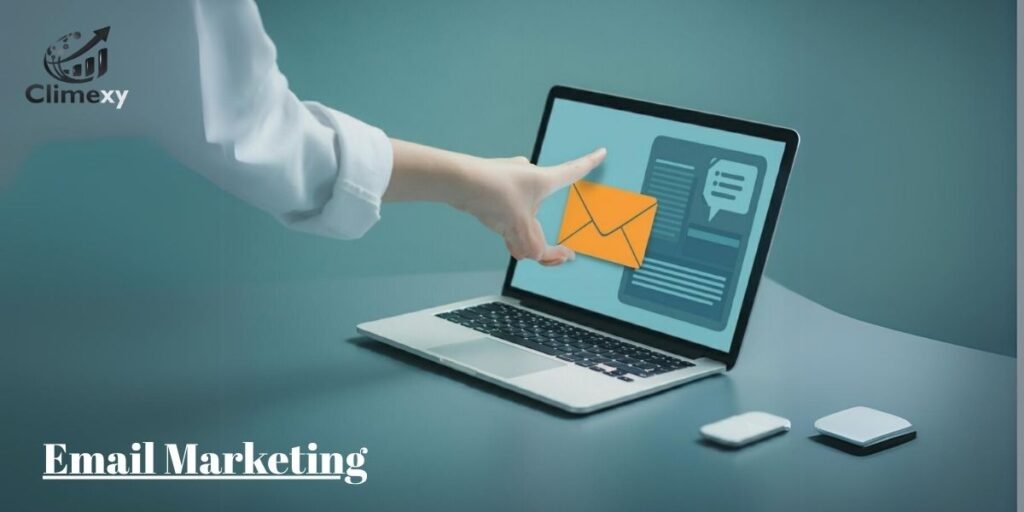
Email marketing is a form of direct marketing that uses email messages to promote products or services, share thought leadership pieces, or engage with an audience in other ways. Companies have so many ways to connect with customers now, but it’s still hard to beat a well-written, well-timed email.
In our latest research, 93% of people surveyed said that email was their primary digital marketing channel for engaging with companies.
Competition for eyeballs and clicks is at a premium, so your email marketing strategy needs to constantly evolve to keep up. However, many companies still use generic marketing tactics that haven’t been relevant in years. Thus, it led to disinterested customers frantically searching for the unsubscribe button.
In this article, we’ll cover the basics of email marketing and ways you can use automation and AI to optimize your approach.
What is an email marketing strategy and why does it matter?
A thoughtful email marketing strategy provides customers with interesting and valuable information to make smarter purchasing decisions. Simple, straightforward messages will position your company as helpful rather than invasive or salesy.
As the email campaign journey advances, an authentic connection of trust develops between your brand and your customers. Email marketing helps you drive conversions and revenue by delivering quality information that helps your customers achieve their goals.
Why Email Marketing Matters
Email remains one of the more powerful (and stable) channels when it comes to reaching an audience. It serves as a direct line of communication that businesses fully own and control. Some of the benefits of email marketing include:
- High ROI: Email marketing can consistently deliver a high return on investment. Industry experts put the ROI of email marketing at $36 for every dollar spent, on average.
- Owned audience: As a channel, email marketing is owned media, meaning you can have a wider impact at a lower cost as opposed to channels where you need to pay to surface messaging.
- Personalization at scale: Email marketing tools allow for adaptive segmentation, so you can build a more personalized messaging flow to achieve different goals.
- Measurable results: Every action, such as opens, clicks, unsubscribes, and purchases, is trackable. This provides immediate, granular data that allows marketing teams to pivot strategies.
How Email Marketing Works
Is email marketing easy? The short answer is that yes, it can be—if you set it up properly. Optimizing your email marketing campaigns can take time, but starting with a personalized strategy makes the process straightforward.
1. Building an email list
Email marketing is all about reaching the masses and building campaigns to reach more and more people. There are so many ways to build your email list, but the first step is to ask them! Ask them to share, accept your newsletter invitation, or simply don’t unsubscribe.
2. Creating and sending campaigns
Emails are an art and a science, and efficiency is key for success. It’s important to not only get into the inbox but also to get them to engage with your emails. From eye-catching subject lines to the power of dynamic content, email marketing is equal parts what you say and how you say it.
3. Segmentation and personalization
Build your foundational strategy around segmentation and personalization. These allow you to reach individual customers with highly targeted content that’s meaningful to them. That means they’re more likely to engage with the emails and, in turn, your brand.
4. Automation and timing
In many ways, email marketing is all about timing. Marketing automation allows you to automatically send emails to a targeted audience. You can use email automation to send emails at certain times of the year, or to create an automated email series that maintains brand awareness and guides prospects through your funnel.
5. Tracking performance
One of the benefits of digital marketing is that you regularly receive data on the efficacy of your campaigns. Email marketing platforms allow you to keep track of important data, such as your open rate, click-through rate, and conversion rate.
Types of Marketing Emails
Experts often point to several types of emails most commonly used in email marketing. Organizing these marketing emails into types is helpful in understanding how to build campaigns.
Email newsletters
Newsletters are one of the most common types of marketing emails. An email newsletter is an email that is sent to your subscribers regularly to keep them informed about the latest news and updates.
- Build relationships: Strengthening connections with subscribers.
- Brand engagement: Keeping your brand top of mind.
- Nurture leads: 31% of marketers say newsletters are the best way to nurture B2B leads.
Promotional emails
Another commonly seen type, promotional emails are used to make direct offers to your list. When it comes to driving purchases, email accounted for 19.8% of all transactions, trailing only paid search and organic traffic.
Relational emails
Relational emails are designed to build relationships with prospects and customers by adding value upfront. That value comes in the form of free content and information, such as subscriber welcomes, blog articles, surveys, and social updates.
Transactional emails
A transactional email is sent following a commercial transaction or specific action, such as a purchase or a password reset request. Each transactional email requires the recipient to take action and is meant to further the customer along their journey.
Lead nurturing emails
Lead nurturing emails are targeted communications sent to potential customers who have shown interest but aren’t ready to buy. Their purpose is to build trust and educate leads through valuable content.
Confirmation emails
Confirmation emails are automated messages sent to users to verify the successful completion of an action, such as a purchase, registration, or booking. They help build trust by confirming that the user’s request has been processed.
Interactive emails
Interactive emails provide the web-like functionality necessary for recipients to take actions within their inbox. Customers have the ability to add items to their cart or watch a video without leaving the body of the email.
What Is an Email Marketing Strategy and Why It Matters
A thoughtful email marketing strategy provides customers with interesting and valuable information to make smarter purchasing decisions. Simple, straightforward messages position your company as helpful rather than invasive or “salesy.” As the email campaign journey advances, an authentic connection of trust develops between your brand and your customers.
- Planning and goal setting: Knowing what you need to accomplish helps you hone in on the specific tools and features you need.
- Aligning with the customer journey: Email marketing helps you drive conversions by delivering quality information that helps customers achieve their goals at every stage.
- Building trust: Authentic connections lead to stronger relationships and better customer experiences.
- Role in revenue: When strategy succeeds, there is no better way to convert leads, cultivate brand loyalty, and grow your business.
Email Marketing Best Practices
Is email marketing easy? The short answer is that yes, it can be—if you set it up properly. Optimizing your campaigns can take time, but starting with a personalized strategy makes the process straightforward.
1. Writing engaging emails
Emails are an art and a science. It’s important to not only get into the inbox but also to get readers to engage. From eye-catching subject lines to the power of dynamic content, email marketing is equal parts what you say and how you say it.
2. Personalization and segmentation
Segmentation and personalization allow you to reach individual customers with highly targeted content that’s meaningful to them. By identifying persona patterns and behaviors, you can deliver individualized content that results in increased engagement.
3. Mobile-friendly design
Many people read their email on their smartphones, so your messages should be well-suited for their devices. Optimize your email chains for mobile to ensure your value proposition isn’t lost due to formatting issues.
4. Timing and consistency
Sometimes, sending the right message at the right time is the best strategy to improve engagement. Always strive to maintain a consistent brand voice and provide regular updates to keep people in the loop.
5. Compliance and permission-based marketing
Adhering to laws and guidelines related to email communications will keep you out of trouble and into customers’ inboxes. Only email individuals who have opted to receive them; sending unsolicited emails is inefficient and can lead to being sent to spam folders.
How to Get Started with Email Marketing
Now that we’ve covered the different types of campaigns, here’s how you can start an email marketing program in your company.
- Define goals: First things first: Define your business goals to determine your strategy.
- Choose email types: Decide what is best for your brand, from newsletters to interactive messages.
- Connect with customer data (CRM): Choosing a tool that integrates with your customer data system makes it easier to run automated drip-and-nurture campaigns.
- Select tools and platforms: Look for a tool that’s user-friendly and supported by solid documentation. Find a tool that offers self-service support options to help you find answers on demand.
- Build your first campaign: Lay your foundation, listen to the data, and make adjustments as you go.
Email Marketing Automation and AI
Marketing automation has changed traditional email tactics. It helps businesses move away from generic blasts and toward personal communication. By using better data management, companies can now focus on the specific needs of every customer.
This process works through automation, which is the engine that makes personalization possible at scale. It triggers messages based on specific user actions or key dates.
These platforms are essential for growing your lead management and nurturing engagement. By ensuring the right message reaches the right person at the ideal moment, businesses see much higher conversions.
AI further improves these results. It uses advanced algorithms to analyze behavior, optimize subject lines, and find the perfect send times for every subscriber. This combination of automation and AI helps identify trends and deliver relevant content. This leads to stronger brand trust and a better experience for the customer.
Email Marketing Metrics and Common Terms
Digital tools provide immediate data, but you must know how to interpret those benchmarks to achieve scalability. Choosing an email marketing tool that understands your email benchmarks and metrics like open rates and click-through rates opens the door to advanced functionality. If your metrics are suffering, reviewing these clearly explained terms is the first step toward optimization.
- Open rate: The percentage of recipients who opened your email. This is an art and a science; it primarily measures the effectiveness of your subject line and the trust you have built with your audience.
- Click-through rate (CTR): The percentage of people who clicked on a link or button within your email. This is a crucial metric for understanding if your content is relevant and engaging to your subscribers.
- Conversion rate: The percentage of recipients who completed a specific action—such as making a purchase, booking a hotel room, or signing up for a webinar—after clicking a link in your email.
- Bounce rate: The percentage of emails that could not be delivered. High bounce rates can get you lost in cyberspace and damage your reputation with internet service providers.
- Unsubscribe rate: The percentage of users who opted out of your list after a specific campaign. Monitoring this helps you identify when your tactics are becoming generic or invasive.
- Call to action (CTA): A clear instruction, usually a button or linked text, that tells the reader exactly what to do next. Examples include “Shop the Sale” or “Download the Guide.”
- Opt-in / Opt-out: The process of a user giving permission to receive your emails (opt-in) or requesting to be removed from your mailing list (opt-out).
- Segmentation: Dividing your email list into smaller groups based on identifiers such as age, location, and purchasing history to deliver better, more targeted messages.
- A/B testing: A method of comparing two versions of an email to see which performs better. This allows you to listen to the data and make adjustments based on real subscriber behavior.
- IP warming: The practice of gradually increasing the volume of emails sent from a new IP address to establish a positive reputation and ensure high deliverability.
Costs of Email Marketing
The cost of email marketing depends on the size of your business, the size of your audience, and the number of emails you send each month. Those costs will fluctuate for your business as you move in and out of busy times of the year and launch new products. When considering the cost, it is helpful to break it down into two main buckets—technology and labor.
Technology Costs
This includes your email service provider (ESP), cloud solutions, and CRM integration. Many tools offer tiered pricing, allowing you to scale as your subscriber list grows. You may also need to budget for specialized software that handles advanced automation or AI-driven content generation.
Labor Costs
These costs include email design, professional writing, and campaign management. Depending on your resources, you may handle this in-house or hire a marketing agency. An email marketing agency costs about $400 to $600 a month for a small business and anywhere from $2,000 to $12,000 for large businesses.
The takeaway is clear, the ROI for email marketing is well worth it. Industry experts put the ROI of email marketing at $36 for every dollar spent, on average. That number climbs even higher for certain industries, like retail and e-commerce.
Advantages and Disadvantages of Email Marketing
Like any digital marketing channel, email has its own set of strengths and challenges. Understanding these helps you build a more flexible and customizable strategy that keeps your brand top-of-mind.
Advantages
- Targeted: This lets you create personalized emails based on specific audience needs.
- Cost-effective: An affordable, high-ROI strategy suitable for all business sizes.
- Scalable: Easy to scale your campaign as you grow your list and business.
- Measurable: Allows for easy performance tracking through open and click rates.
- Direct communication: Personal emails allow businesses to build trust more easily with consumers.
Disadvantages
- Spam filters: If an email gets marked as spam, this is revenue down the drain.
- Content overload: Consumers receive hundreds of emails weekly, making it hard to stand out.
- Attention span: Customers may skim through emails quickly, making it challenging to convey your value proposition.
- Design challenges: Due to formatting, there are fewer opportunities for creative designs.
- Resources: Creating high-quality emails that stand out requires time and effort.
Best Email Marketing Tools and Platforms
The best email marketing platforms give you the power to run campaigns from start to finish and analyze results for continuous improvement. With the right software, you can handle everything from writing copy to tracking analytics in real-time.
What to look for in a tool
The best tool in the world won’t do your business much good if it’s too complicated to use. Look for a tool that’s user-friendly and supported by solid documentation and support. It should offer a host of self-service support options to help you find the answers you need, on demand.
Popular platforms
Common tools include platforms like Mailchimp, Brevo, and HubSpot. These are popular for their user-friendly interfaces and robust feature sets. Make sure the tool you consider supports the easy design, distribution, and analytics tracking of your preferred formats. Choose a tool that integrates with your customer data (CRM) to send emails with dynamic content and determine optimal send times using AI.
Common Email Marketing Mistakes to Avoid
Generic marketing tactics often lead to disinterested customers searching for the unsubscribe button. To keep your engagement high and your metrics healthy, avoid these common errors:
- Sending without segmentation: Blasting the same message to everyone rather than reaching individuals with highly targeted content.
- Ignoring personalization: Failing to use recipient data to make the message feel meaningful and helpful.
- Over-emailing: Sending too many messages, which leads to content overload and higher unsubscribe rates.
- Weak subject lines: Using vague or “salesy” subject lines that fail to catch the eye in a crowded inbox.
- Not analyzing performance: Failing to track every email you send for continuous improvement and optimization.
Advanced Email Marketing Insights (Your Competitive Edge)
To gain a competitive edge in 2026, you must align your emails with the customer journey. This strategic approach keeps your company top-of-mind and guides prospects toward conversion through sophisticated, conversion-focused thinking.
Email funnels and journey alignment
Create a logical sequence of emails that move a lead from initial interest to a final purchasing decision. Use marketing automation to deliver the right message at the right time, whether a customer is just browsing or ready to buy. This prevents your brand from appearing invasive and instead positions you as a helpful partner.
Behavior-based targeting
Set up “triggered” emails based on actions, such as a customer visiting a specific product page or abandoning their cart. These automated messages feel personal because they respond directly to what the customer is doing right now. Every email should provide value and connection, helping your customers achieve their goals while driving revenue for your brand.
The Future of Email Marketing
The combination of marketing automation and AI results in highly targeted and effective campaigns. In the future, AI will use advanced algorithms to analyze vast amounts of data and deliver highly tailored content to individual recipients. We will see a rise in interactive email experiences, where customers can book appointments or shop directly within their inbox, and predictive analytics that determine the best possible time to reach each subscriber.
As digital experiences continue to evolve, the distinction between a “marketing email” and a “web app” will blur. Marketers who embrace AI-driven personalization and automation at scale will be the ones who successfully navigate content overload.
By leveraging advanced data collection and machine learning, you can ensure that your brand remains an authentic connection of trust in a crowded digital landscape.
Summary
There is a lot to consider when starting your email marketing campaign. Between sending at the right time, creating compelling content, and staying compliant, there is plenty to get right.
However, when your email marketing efforts succeed, there is no better way to convert leads, cultivate brand loyalty, and grow your business over the long term.
If your metrics are suffering, review your strategy today and focus on the quality and value you provide to every subscriber.