Securing a predictable revenue pipeline remains the primary operational hurdle for enterprise service providers and software platforms. In complex business markets, procurement decisions are never made on a whim or an emotional impulse. B2B buyer journeys require deep research, involve multiple corporate stakeholders, and routinely span several months.
Relying on random word of mouth referrals or uncoordinated marketing bursts is no longer a viable growth plan. Sustaining business operations requires building a reliable, metrics driven pipeline that identifies, engages, and captures corporate buyers at scale. This structured process is known as b2b lead generation.
When corporate growth teams analyze customer acquisition costs, the financial data underscores the critical nature of systemic prospecting. Industry metrics indicate that organizations running formalized, multi channel pipeline frameworks lower their overall customer acquisition costs while shortening their average sales cycle by up to 23%. This efficiency occurs because targeted marketing systems filter out low intent accounts long before a sales representative schedules an introductory phone call.
Building a modern framework for lead generation b2b lets growth directors secure predictable cash flows, target high value accounts with precision, and maximize the return on marketing spend.
What is b2b lead generation?
At its core, b2b lead generation is the systematic process of identifying, attracting, and engaging specific business organizations that display a verified structural need for your corporate solutions or commercial services. It establishes an active marketing and sales pipeline that shifts a brand’s focus away from broad consumer audiences, steering acquisition budgets exclusively toward verified corporate decision makers.
The target audiences for B2B pipeline development include highly specific enterprise roles:
- Executive leadership and chief officers who manage capital budgets and dictate long term corporate transformation projects.
- Specialized procurement teams and purchasing managers tasked with vetting vendor compliance and contract details.
- Local business owners and regional directors seeking to optimize localized team output and operational workflows.
- Mid level department heads who experience specific workplace challenges and test software features first hand.
The true focus of this process goes far beyond collecting random contact information or compiling extensive email address sheets. The objective is to build a reliable filtration mechanism that uses inbound content, outbound communication, and behavioral signals to transform completely unverified target businesses into highly qualified accounts. These prospects can then be passed to internal sales teams for direct deal closing.
Why b2b lead generation matters for business growth
A business operating without an active, automated prospecting machine cannot scale its revenue or secure long term market share. Companies that rely solely on historical customer relationships or erratic networking events remain highly vulnerable to sudden market shifts and unexpected account churn.
Building a dedicated framework for b2b sales lead generation introduces vital structural stabilities into a company’s commercial operations.
Achieving Predictable Revenue Growth
A structured pipeline removes guessing from corporate growth planning. By analyzing your ongoing conversion metrics across different stages of your pipeline, financial officers can calculate exactly how much marketing spend is required to achieve specific monthly revenue targets.
Breaking the Referrals Cycle
While historical word of mouth referrals produce high quality clients, they lack predictable scaling capabilities. Establishing an independent outbound and inbound acquisition engine ensures that a drop in customer referrals will not cause an immediate drop in corporate sales revenue.
Exact Targeting of High Value Accounts
Modern pipeline systems let businesses filter the market based on strict corporate characteristics. Growth teams can narrow their marketing spend to target companies matching specific annual revenue brackets, technical setups, employee headcounts, and operational locations, eliminating wasted ad spend on unqualified leads.
How b2b lead generation works (Step-by-step process)
A resilient pipeline functions as an ongoing, programmatic funnel that manages an account’s journey from initial brand discovery through formal contract signing. This progression relies on a sequence of data driven stages that verify user intent at every milestone.
1. Identify your target audience
Before launching marketing campaigns, growth teams build highly detailed ideal customer profiles. This step defines the precise industry sectors, company valuations, internal management layers, and acute business problems that your solution fixes, ensuring marketing messages speak directly to executive priorities.
2. Attract potential leads
Once the target profile is locked in, marketing operations deploy tailored content and campaigns across high intent digital channels. This phase uses structured web optimization to capture buyers searching for answers, alongside targeted outbound connections to place your brand directly in front of selected enterprise decision makers.
3. Capture lead information
To move a corporate visitor into the active sales database, the platform must capture verified corporate contact details. This exchange relies on high value digital resources and landing pages optimized to capture corporate email addresses, company names, and current headcounts without adding friction.
4. Qualify leads
Not every captured contact represents a viable business opportunity. Growth teams run inbound accounts through validation frameworks like the BANT system, verifying the prospect’s available budget, internal purchasing authority, operational need, and explicit purchase timeline before scheduling sales calls.
5. Nurture leads
Because B2B sales cycles require significant time, early stage prospects must be systematically nurtured. This step uses targeted email communications, localized industry case studies, and tailored feature breakdowns to answer common buyer objections and steadily build trust over time.
6. Convert into customers
Once an account passes all qualification checks and displays clear purchasing signals, the lead transfers directly to the account executive team. Sales specialists conduct customized product demonstrations, handle contract negotiations, and close the enterprise deal.
Proven b2b lead generation strategies (That work today)
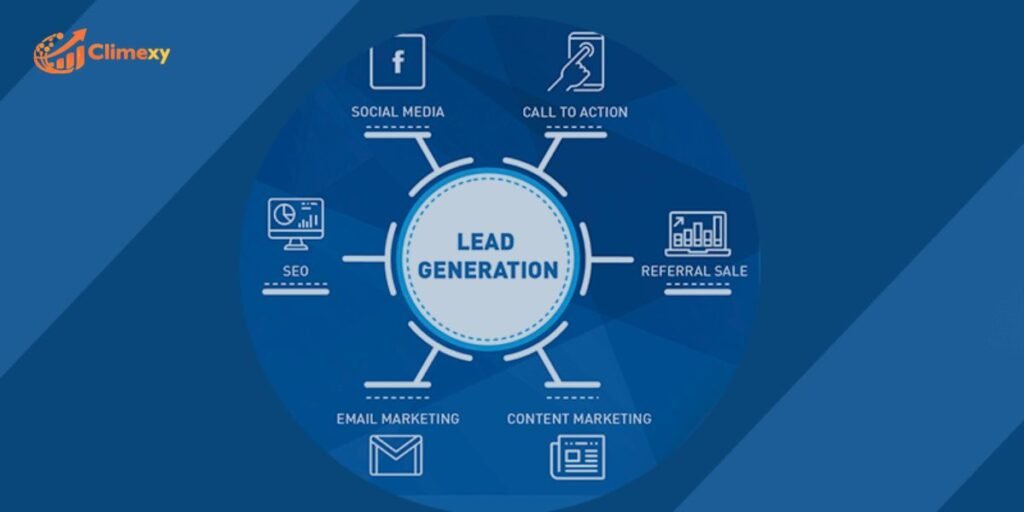
To achieve consistent pipeline growth, modern enterprise networks deploy a mix of inbound and outbound b2b lead generation strategies. These separate channels work together to maximize market coverage and capture high value buyers across different stages of their research journey.
1. Content marketing (SEO-driven lead generation)
Inbound search optimization remains one of the most reliable and cost effective methods for capturing high intent corporate accounts. When an executive experiences a pressing operational bottleneck, their first action is to search for diagnostic data and proven solutions across open search engines.
Building a dominant inbound search footprint relies on creating specialized, data dense content variations:
- Deep editorial guidebooks and step by step optimization breakdowns that address specific operational bottlenecks.
- Rigorous industry whitepapers loaded with proprietary technical research data, market forecasts, and regulatory analysis.
- Comprehensive, real world case studies that demonstrate exactly how your platform improved revenue or cut costs for an active business partner.
- Detailed tool comparison assets that help procurement teams contrast different market solutions during the final stages of their evaluation process.
When a B2B writer structures an article to rank for high intent keywords like best project management software for enterprise engineering teams, the incoming traffic consists entirely of active buyers who are already looking to purchase a solution. This highly targeted inbound route captures prospects at the exact moment their purchase intent is highest, producing exceptionally high conversion rates without requiring cold outreach.
2. LinkedIn Outreach and Social Selling
The business-to-business professional landscape relies heavily on verified professional networking to open commercial conversations. For enterprise growth teams, LinkedIn operates as a live corporate directory that provides direct access to decision-makers without the friction of traditional administrative gatekeepers.
Building a sustainable social selling pipeline requires a highly personalized approach to executive communication:
- Sending hyper-targeted connection requests that reference a specific industry challenge or a shared professional milestone rather than a sales pitch.
- Publishing consistent, data-backed commentary regarding industry supply shifts, regulatory updates, and strategic operational adjustments.
- Engaging thoughtfully with the long-form articles and industry updates posted by target procurement directors and department heads.
- Delivering brief, value-first direct messages that share relevant research documents or third-party case studies with no immediate commercial strings attached.
This methodology shifts the acquisition dynamic away from intrusive interruption toward collaborative industry networking. By establishing digital familiarity and professional credibility before making a formal product pitch, account executives drastically lower consumer resistance and secure significantly higher response rates from high-value prospects.
3. Email Outreach Campaigns
Direct outbound email remains a highly effective channel for securing enterprise pipeline opportunities when executed with strict data precision. The era of blasting generic, automated templates to unverified email lists has ended, as modern spam filters and privacy regulations quickly block low-effort mass messaging.
Successful modern email outreach relies on executing high-touch personalization mechanics across every campaign line:
- Sourcing highly accurate, verified corporate email addresses using premium data platforms to eliminate bounce risks.
- Writing customized subject lines that mention specific, localized company challenges or verified internal growth metrics.
- Delivering short, punchy message bodies that articulate a clear value proposition within three to four sentences.
- Structuring automated follow-up sequences that provide additional case study links or helpful resource guides over a multi-week timeline.
A well-optimized outbound email campaign functions as a scalable, targeted conversation starter. When a marketing team replaces generic sales scripts with direct, value-driven communications that address an executive’s active workplace problems, cold outreach achieves an exceptionally strong return on investment.
4. Paid Advertising (Google Ads & LinkedIn Ads)
Paid acquisition channels provide growth teams with the speed and targeting precision required to rapidly scale short-term pipeline volume. By injecting capital into ad networks, businesses can bypass organic indexing timelines and secure top-tier visibility in front of ready-to-buy audiences.
Enterprise paid strategy balances intent-driven search targeting with precise role-based demographic matching:
- Google Ads Infrastructure: Captures immediate, high-intent buyer actions by bidding on explicit transactional search strings like enterprise accounting software vendor.
- LinkedIn Ads Infrastructure: Targets buyers based on verified corporate profile attributes, allowing marketing teams to restrict ad views to specific job titles, industry verticals, company sizes, and geographic regions.
- Retargeting Pixels: Displays tailored customer testimonial videos and product breakdown ads to corporate website visitors who left without completing an intake form.
Utilizing a dual-platform paid ad framework ensures that an acquisition program captures active market demand while simultaneously building long-term brand awareness within specific target customer pools.
5. Lead Magnets and Gated Content
To successfully convert casual website visitors into active sales leads, companies must offer high-value information in exchange for corporate contact data. High-performing business professionals will not fill out a detailed form for basic marketing copy; they demand proprietary, actionable insights that they cannot find on the open web.
Deploying high-conversion lead magnets requires packaging specialized, operational assets behind streamlined landing page forms:
- In-depth annual industry benchmark reports packed with proprietary statistical data and market trends.
- Practical Excel financial models, operational assessment templates, and technical integration checklists.
- Actionable, step-by-step optimization blueprints that outline how to solve a highly technical industry bottleneck.
- Custom ROI calculators that let procurement managers estimate potential cost savings based on their unique corporate metrics.
Structuring lead capture forms around these high-value resources maximizes conversion efficiency. This approach ensures that the database populates with engaged prospects who are actively seeking solutions to specific technical problems.
6. Webinars and Virtual Events
Complex enterprise solutions and high-ticket consulting services require deep customer education before a buyer can confidently sign a contract. Virtual events and interactive webinars serve as a powerful middle-of-funnel mechanism to demonstrate deep technical expertise to dozens of prospective clients simultaneously.
Running a successful B2B virtual event relies on executing specific presentation workflows:
- Choosing a highly specific, tactical presentation topic rather than delivering a broad, generic sales pitch.
- Hosting live, interactive Q&A segments that let attendees ask questions about their unique corporate bottlenecks.
- Inviting verified client partners or independent industry analysts to co-host the session and provide neutral third-party validation.
- Sharing exclusive, downloadable toolkits and follow-up resource guides with every registered attendee immediately after the event closes.
This format provides a secure digital space where cautious buyers can evaluate a vendor’s technical capability and operational philosophy in real time, building strong professional trust before entering a formal sales cycle.
7. Referral and Partnership Programs
One of the most efficient yet underutilized b2b lead generation ideas is leveraging established industry relationships to unlock warm introduction paths. Partnering with non-competitive businesses that serve the identical target market lets growth teams tap into pre-built networks of trusted corporate relationships.
Building a formalized partner framework relies on structuring clear joint incentives across distinct channel layers:
- Co-marketing alliances where two complementary software vendors bundle their platforms and run joint educational webinars.
- Strategic agency collaborations where digital implementation firms refer clients to specific software platforms to earn ongoing revenue splits.
- Formalized customer referral initiatives that reward existing clients with service discounts when they introduce warm prospects to your sales team.
Because these incoming leads originate from a highly trusted, validated source, they move through the standard sales funnel significantly faster than cold outbound prospects, delivering much higher close rates and lower customer acquisition costs.
Best Practices for B2B Lead Generation Success
Building a highly productive pipeline requires moving past ad-hoc marketing campaigns and implementing strict operational guidelines across your entire organization.
To maximize your customer acquisition efficiency, growth teams must enforce several b2b lead generation best practices:
- Prioritize Lead Quality Over Raw Volume: Flooding your database with thousands of low-intent, unqualified contacts overwhelms your sales team and wastes valuable time. Focus your metrics on capturing highly qualified accounts that match your exact ideal customer profile.
- Enforce Strict Sales and Marketing Alignment: Ensure your marketing and sales departments operate under identical definitions for marketing qualified leads (MQLs) and sales qualified leads (SQLs), creating a seamless handoff pipeline.
- Embed a Centralized CRM System: Use advanced platforms like HubSpot or Salesforce to log every single web interaction, email open, document download, and sales conversation, ensuring total visibility across the customer journey.
- Deploy Deep Messaging Personalization: Ditch generic corporate speak. Customize your landing pages, ad copy, and email sequences to address the precise vocabulary, pain points, and operational goals of specific industries.
- Run Continuous Campaign Optimization Experiments: Regularly A/B test your email subject lines, landing page layouts, call-to-action buttons, and ad creatives to steadily lower cost-per-lead metrics over time.
Common Mistakes in B2B Lead Generation
Many corporate pipeline initiatives fail to achieve their growth goals due to repetitive, structural errors that could easily be avoided with proper operational planning.
Carefully audit your current acquisition loops to eliminate these common performance bottlenecks:
- Targeting an overly broad market segment instead of focusing on a tightly defined, profitable niche.
- Abandoning early-stage prospects due to a lack of automated email nurturing and follow-up workflows.
- Relying entirely on a single marketing channel, leaving your business vulnerable to sudden algorithm or ad platform shifts.
- Failing to follow up with inbound leads within the first hour of submission, allowing buyer intent to cool down.
- Neglecting to track long-term conversion data, which prevents your team from identifying which specific sources produce the highest lifetime value clients.
Future of B2B Lead Generation
The discipline of corporate customer acquisition is rapidly moving away from manual prospecting spreadsheets toward integrated, predictive data ecosystems. As the modern buying journey becomes more complex, enterprise marketing setups are deploying advanced software networks to automate data collection and scale personalization.
The next generation of pipeline engineering is defined by specific technological advancements:
- The growth of predictive intent data networks that analyze web traffic patterns to alert sales teams exactly when a target company begins researching a solution.
- The widespread adoption of automated personalization tools that can automatically customize landing page copy, case studies, and video content for individual site visitors in real time.
- The integration of automated marketing assistants to handle early-stage inbound lead qualification and schedule introductory calls around the clock.
- The shift toward unified database structures that merge marketing automation tools, CRM intelligence, and product usage data into a single operational interface.
Building a structured, automated acquisition engine today gives forward-thinking companies a powerful competitive advantage, allowing them to capture high-value market share while competitors continue to rely on inconsistent, outdated sales methods.
Conclusion
Developing an effective pipeline for b2b lead generation is not a short-term marketing project or a simple data scraping exercise. It is a vital, ongoing business discipline that requires combining high-value search content, strategic social networking, data-driven paid acquisition, and automated lead nurturing into a single, synchronized customer acquisition engine.
Organizations that continue to rely on unpredictable outbound patterns or random referrals face rising customer acquisition costs and stagnant revenue growth. Conversely, businesses that implement structured, scalable pipeline systems secure predictable customer acquisition paths, shorten their average sales cycles, and build a highly resilient foundation for long-term commercial growth.
FAQs about B2B Lead Generation
What is B2B lead generation in simple words?
It is the structured business process of identifying, attracting, and engaging other companies that have a clear need for your commercial products or services, with the ultimate goal of turning them into paying corporate clients.
What are the best B2B lead generation strategies?
The most reliable, high-performing strategies include SEO-driven inbound content marketing, targeted LinkedIn social selling, personalized cold email campaigns, intent-targeted paid ads, and interactive educational webinars.
What are some practical B2B lead generation ideas for small businesses?
Small businesses with limited budgets can generate high-quality pipelines by running personalized LinkedIn outreach, executing hyper-targeted cold email campaigns, and building strategic referral partnerships with complementary businesses.
What is the primary difference between B2B and B2C lead generation?
B2B lead generation targets corporate decision-makers, involves longer sales cycles, features multi-stakeholder evaluation processes, and focuses on ROI-driven buying motives. B2C lead generation targets individual consumers, relies on short sales cycles, and focuses heavily on emotional triggers and volume purchasing.
Why is B2B lead generation critical for corporate scaling?
Establishing a formalized lead generation machine ensures a continuous, predictable flow of highly qualified sales opportunities. This system removes a company’s dependence on unpredictable word-of-mouth referrals and creates a scalable framework for sustainable revenue growth.